

IV Therapy for Post‑Workout Recovery: Does It Really Help Your Muscles Heal Faster?
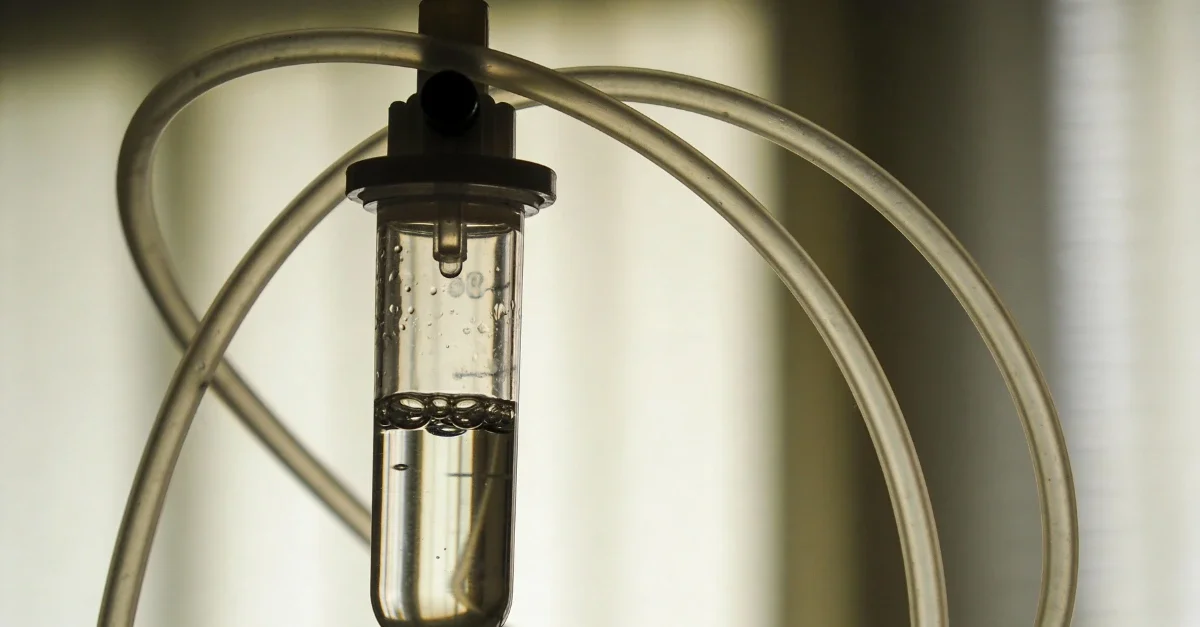
Be it HIIT sessions, pounding the pavement, or lifting weights in the gym, your body requires a method to reset and recover. For faster recovery, a large number of athletes and fitness enthusiasts look to IV therapy to help them get back in the game and stay in tip top shape.
IV therapy as post-workout recovery has become one of the treatments that receives a lot of attention, yet is it actually effective in speeding up muscle recovery?
In this step-by-step guide we are going to find out what the science tells us, how it works, what benefits it may have, safety, and how the services provided by Revive Wellness & Recovery fit in the picture.
What Is IV Therapy and Why Is It Getting Attention?
At its core, IV therapy involves delivering fluids, electrolytes, vitamins, and other nutrients directly into the bloodstream through an intravenous (IV) drip.
Because this method bypasses the digestive system, the body receives nearly 100 percent of what’s delivered rapidly, compared to much lower absorption rates from oral intake. That’s one reason athletes consider IV therapy for athletic performance and recovery: they’re seeking quick rehydration and nutrient replenishment after intense exercise.
In traditional healthcare, IV fluids have long been used to treat dehydration, nutrient deficiencies, and support patients unable to tolerate oral intake. In elite sports medicine, IV fluid use has been documented for conditions like exertional heat illness and severe dehydration, though this is governed by clinical protocols rather than wellness trends.
How Muscle Recovery Works
To understand how any recovery method helps, including IV drip or other strategies, it’s helpful to know what happens to your muscles during and after a tough workout:
Dehydration and Electrolyte Loss: Intense exercise makes you sweat. Sweat contains water and electrolytes like sodium and potassium, which are vital for muscle contraction and nerve function.
Glycogen Depletion: Muscles use stored carbohydrates (glycogen) for energy. After heavy training, these stores are low.
Tissue Stress: Microtears in muscle fibers trigger inflammation and soreness, commonly known as delayed onset muscle soreness (DOMS).
Inflammation: Inflammation is part of repair, but excessive inflammation can delay recovery.
Traditional recovery strategies involve hydration, balanced nutrition (protein and carbs), rest, and active recovery techniques. These methods work because they help restore fluid balance, rebuild glycogen and proteins, and reduce inflammation.
Can IV Therapy Actually Help With Post‑Workout Recovery?

When it comes to IV drip therapy for muscle recovery, there are a few core physiological mechanisms that may make sense on the surface:
1. Rapid Rehydration
One of the most consistent observations across wellness and sports clinics is that IV administration restores fluid balance faster than drinking water or sports drinks. This matters because even mild dehydration can impair muscle function, endurance, and recovery.
Unlike oral fluids, which are absorbed slowly and limited by how fast your stomach empties, IV fluids go straight into the bloodstream. That means a liter of fluid can be delivered in less than an hour.
If you’ve ever finished a long run and felt dehydrated despite guzzling water, this direct method can seem appealing.
2. Electrolyte and Nutrient Delivery
Many muscle recovery IV drip formulations include electrolytes (like sodium, potassium, magnesium) and vitamins. Electrolytes help balance fluids, support nerve and muscle function, and play a role in preventing cramps.
Vitamins, such as vitamin B-12 or a B-complex assist in energy metabolism, and antioxidants like vitamin C may help modulate oxidative stress associated with intense physical activity.
However, while these nutrients are important, dosing through IV without clinical evidence of deficiency isn’t always clearly linked to better recovery.
3. Potential Reduction in Soreness and Inflammation
Some wellness providers and anecdotal reports claim that IV therapy can reduce muscle soreness faster than typical recovery routines. This is partly because fluids and nutrients reach tissues quickly. Additions to the IV fluid, such as an amino acid blend can help reduce time for muscle tissue repair in addition to anti-oxidants which can help reduce the amount of toxic waste the body needs to get rid of.
But scientific evidence specifically proving that IV therapy for athletic performance and recovery reliably reduces DOMS better than standard hydration and nutrition strategies is limited.
The most rigorous clinical reviews conclude that while IV therapy quickly restores hydration and plasma volume, there’s no clear evidence that it speeds recovery more effectively than well‑tolerated oral hydration and nutrient intake in healthy athletes, unless oral intake isn’t feasible.
What the Research Really Says (and What It Doesn’t)
What Research Supports
Hydration Efficiency: Numerous sources confirm that IV fluid administration restores hydration faster than oral fluids because it bypasses the digestive tract.
Nutrient Absorption: IV administration ensures near‑complete absorption of vitamins and electrolytes, which can be useful in clinical settings where nutrient deficiencies exist.
Subjective Recovery Reports: Some athletes report feeling more energized and less sore after IV sessions, but these reports are largely anecdotal or based on small case series rather than large controlled trials.
What Research Doesn’t Support
Superior Recovery: There’s no strong consensus that IV therapy significantly speeds muscle repair or performance recovery over effective oral hydration and nutrition for healthy athletes.
Routine Use Recommendation: Scientific reviews do not recommend routine use of IV therapy as best practice for the majority of athletes except when oral intake is limited or impractical.
Performance Boost Claims: Aggressive claims that IV therapy enhances athletic performance beyond basic hydration status lack robust evidence from controlled clinical trials.
Comparing Recovery Methods
To see how IV therapy fits among recovery strategies, let’s compare several common approaches:
Hydration Strategies
Method Speed of Hydration Absorption Practicality
Oral Fluids (water/sports drinks) Moderate 50‑80% Easy and cost‑effective
IV Therapy Rapid (direct bloodstream) ~100% Requires clinician and cost
Electrolyte Tablets + Fluids Moderate Variable Accessible——————————————————————————————————————————————————————————————————————————————————————
IV therapy wins in speed and absorption but loses in cost and need for clinical setup.
Nutrient Delivery
Oral nutrients like protein shakes, complex carbohydrates, and electrolyte drinks have solid evidence for muscle repair and glycogen replenishment. IV infusions deliver nutrients directly but whether this translates to better recovery isn’t firmly established. However, there are additional additives such as specific amino acids like L-carnitine, that can be added to the IV infusion for improved or increased results.
Who Might Benefit Most from IV Therapy?
Although the science doesn’t show consistent superiority, anyone can benefit from IV therapy post workout, with some IV therapy being more beneficial in certain scenarios.
1. Severe Dehydration or Heat Illness
In extreme conditions like prolonged exercise in heat, athletes can become dangerously dehydrated. In such cases, IV fluids can be an effective medical intervention under supervision.
2. Gastrointestinal Limitations
If an athlete has been vomiting, experiencing nausea, or simply cannot tolerate oral intake, IV administration ensures nutrients and fluids are absorbed rapidly.
3. Clinical Deficiencies
If blood work shows a true deficiency of certain vitamins or electrolytes, IV therapy may be used under medical supervision to correct that deficiency.
4. Recovery Support After Endurance Events
Some endurance athletes report subjective benefits; feeling rehydrated quicker and noticing less fatigue, after post‑race IV treatments. While promising studies continue, this remains largely anecdotal and individual.
Safety & Risks of IV Therapy
IV therapy is generally safe when administered by trained healthcare professionals, but like all medical procedures, it carries risks:
Common Risks
Bruising or pain at the injection site
Vein irritation (phlebitis)
Rare allergic reactions to components
Infection if sterile technique isn’t followed
Because of these risks, only qualified professionals should administer IV therapy in clean settings and tailor formulations to individual needs rather than following a one‑size‑fits‑all approach.
Practical Alternatives for Muscle Recovery
Before jumping to IV therapy, athletes could also consider these evidence‑supported strategies:
1. Hydration & Electrolytes
Drinking fluids with electrolytes (sodium, potassium) before, during, and after workouts is effective and supported by sports nutrition research.
2. Balanced Post‑Workout Nutrition
Protein (for muscle protein synthesis), carbohydrates (to rebuild glycogen), and fluids are foundational.
3. Rest & Active Recovery
Sleep, light movement, and controlled rest help reduce inflammation and speed tissue repair.
4. Traditional Therapies
Massage, compression, and cryotherapy have clinical evidence supporting niche aspects of recovery and soreness reduction.
Athletic Recovery IV Therapy in Practice
Clinics offering athletic recovery IV therapy often provide custom blends geared toward hydration, electrolyte replacement, and the provision of amino acids, antioxidants, and vitamins. These blends are typically marketed to support post‑workout recovery, reduce fatigue, and enhance hydration.
It’s important for athletes to discuss their goals with healthcare pros before starting any IV program. A good clinician will assess medical history, current conditioning, and nutrient status and help you decide whether IV therapy will add value to your recovery routine.
Revive Wellness & Recovery — What We Offer
Revive Wellness & Recovery is a mobile wellness clinic that provides IV therapy services, among other wellness treatments, designed to support athletic recovery and overall well‑being. Our approach includes customized IV therapy blends aimed at hydration, nutrient replenishment, and recovery support.
With Revive, clients can receive muscle recovery IV drip formulations that may include fluids, electrolytes, and key vitamins while remaining in the comfort of their home, office or in the field. Our emphasis is on delivering nutrients and hydration directly into the bloodstream for rapid post‑workout support. Services like this are popular because they promise quick rehydration, potential reduction in post‑exercise fatigue, and nutrient delivery without the delays of oral absorption.
Final Thoughts
IV therapy can rapidly restore hydration and deliver nutrients quickly, which may feel beneficial after tough workouts. However, the scientific evidence that it significantly accelerates muscle healing or boosts performance beyond excellent hydration and nutrition is still being studied for the average healthy athlete.
That said, for those who struggle with oral intake, face severe dehydration, or have specific nutrient deficiencies, athletic recovery IV therapy may be a useful tool when used appropriately and under medical supervision.
For most athletes, focusing on evidence‑based basics, quality hydration, balanced diet, sleep, and structured recovery, remains the cornerstone of effective muscle recovery. IV therapy can be an adjunct under the right circumstances, especially for rapid rehydration or when standard methods aren’t sufficient.
As always, consult with professionals and weigh the potential benefits against evidence and risk before adding IV therapy to your recovery regimen.
FAQs
-
Yes, IV therapy can aid muscle recovery by improving hydration and electrolyte balance, which are essential for muscle function and recovery after intense exercise. IV therapy also delivers vitamins, amino acids, and minerals that help replenish depleted nutrients, support tissue repair, and reduce inflammation. While it’s not always a cure-all, IV therapy can be a helpful tool when used in combination with other recovery methods like proper nutrition, rest, and stretching. Many athletes use it as a supplemental tool to accelerate recovery, particularly when they feel dehydrated or fatigued after training. Hydration is crucial for muscle function and performance, and IV therapy provides a faster route for rehydration compared to oral fluids.
-
IV therapy can offer rapid relief. Since it delivers hydration and nutrients directly into the bloodstream, athletes can feel more energized and less sore within a few minutes to hours after the treatment. Unlike oral fluids and nutrients, which are absorbed more slowly, IV therapy ensures immediate absorption. A typical session can last between 30 minutes to an hour, after which the body experiences a boost in hydration, electrolyte levels, and nutrients. While this fast delivery method can significantly reduce dehydration and provide a quick energy boost, full muscle recovery still depends on a variety of factors such as the intensity of the workout and the athlete’s general health. Typically, muscle recovery will take 24 to 48 hours, depending on the workout's severity.
-
A post-workout IV drip usually contains a combination of fluids, electrolytes, amino acids and vitamins tailored to aid recovery. The main ingredient is typically a saline solution or lactated Ringer’s, which helps to rehydrate the body. Along with the fluids, electrolytes such as sodium, potassium, magnesium, and calcium are included to replenish what was lost during intense exercise. These electrolytes help with muscle function, hydration, and preventing cramps. Many post-workout IVs also contain Vitamin C, an antioxidant that helps reduce inflammation caused by muscle stress, and B vitamins (such as B12 and B6), which aid energy production and reduce fatigue. Amino acids, such as glutamine and branched-chain amino acids (BCAAs), are also common in muscle recovery IV drips.
-
IV therapy provides several benefits for recovery after exercise. The primary benefit is rapid rehydration. After an intense workout, muscles are often dehydrated, and IV therapy ensures that fluids are delivered directly into the bloodstream, offering quicker and more effective hydration than drinking water or sports drinks. Along with hydration, the infusion of electrolytes helps restore balance in the body, supporting muscle function and preventing cramps. Vitamin C, a common ingredient in post-workout IV therapy, helps reduce oxidative stress caused by exercise, while B vitamins support the body’s energy levels and combat fatigue
-
The frequency with which athletes can receive IV therapy depends on their specific needs, goals, and training intensity. After intense events or races, athletes may opt for IV therapy to quickly rehydrate and restore lost nutrients. For athletes who train regularly, receiving IV therapy once or twice a week can be beneficial in supporting ongoing hydration and muscle recovery. However, it's important to not over-rely on IV therapy; it should be considered a supplement to a well-rounded recovery plan that includes proper hydration, balanced nutrition, and adequate rest. IV therapy may also be useful if an athlete is feeling particularly fatigued or dehydrated or if they’ve been unable to maintain proper hydration through oral intake.